







Search Results for: coffee market size
The freshly ground coffee sector continues to heat up: a full analysis of market size, consumption scenarios, and industry landscape
In recent years, domestic coffee consumption has continued to surge, and freshly ground coffee, as the category with the greatest growth potential, is attracting more and more consumers' attention. From instant coffee dominance to the rise of freshly ground coffee, the structure of China's coffee market is undergoing profound changes. Chain brands are accelerating expansion, cross-industry players are entering the market one after another, and the rise of health-conscious consumption concepts has also injected new momentum into freshly ground coffee. At the same time, the two-way drive from both the supply side and the demand side is pushing the entire industry onto a fast track. This article will comprehensively sort out the development status and future trends of the freshly ground coffee industry from multiple dimensions such as market size, consumption scenarios, and brand competition, helping you understand the full picture of this hot track in one article. [more…]
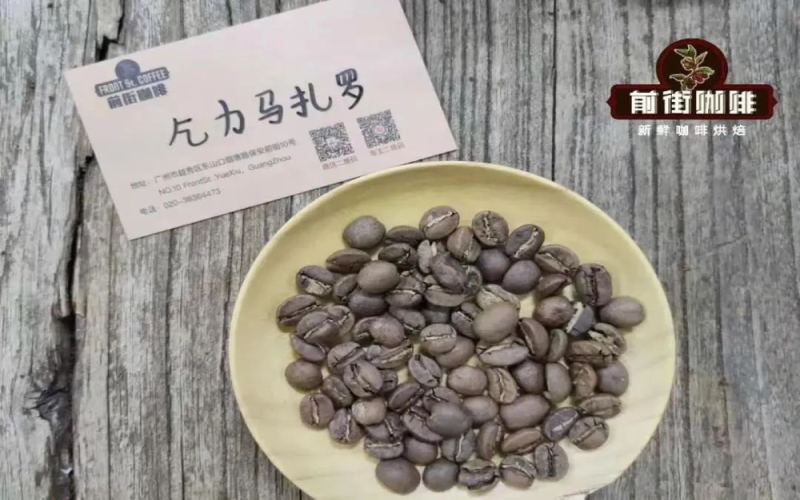
An Analysis of the Meaning of Tanzanian Coffee AA and AB Grades: British Imperial Screen Size Standards and the Detailed Classification Rules for Each Grade
Tanzania, one of Africa's Big Three coffee producers, has performed increasingly impressively in the global specialty coffee market in recent years. When buying Tanzanian coffee beans, what exactly do the "AA" and "AB" labels commonly seen on packaging mean? These letters are in fact grade codes for Tanzanian Arabica coffee beans, using a British imperial grading method similar to Kenya's, though the specific standards differ. Tanzanian authorities grade coffee by screen size, assuming that larger size means better quality, and classify beans into multiple grades such as AAA, AA, A, B, PB, C, E, F, AF, and TT. Among these, Grade AA requires mostly 17 to 18 mesh, while Grade AB is a mix of Grades A and B, and no such official grade actually exists. This article will explain in detail the specific mesh requirements and screening standards of each grade, helping coffee lovers decipher the grading code of Tanzanian coffee beans. [more…]
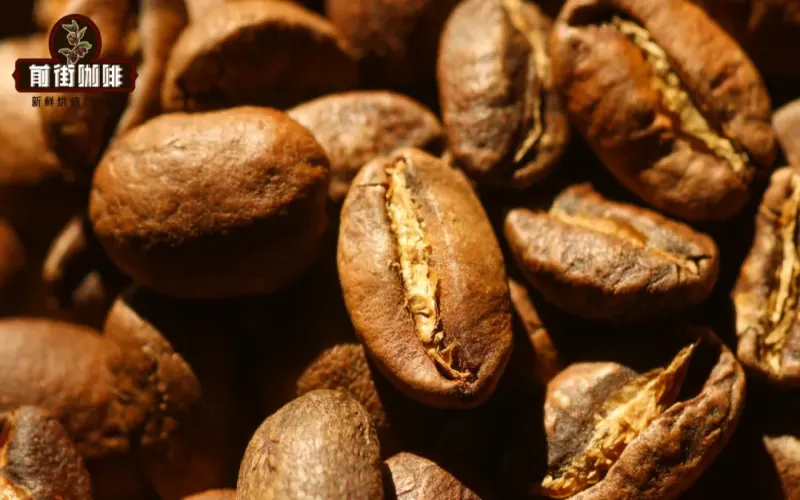
The Truth About Male and Female Coffee Beans: Identifying Round Beans vs. Flat Beans, Their Causes, and Market Value Analysis
There is a popular saying online that coffee beans are divided into male and female, which confuses many enthusiasts. In fact, coffee beans have no gender differences; the so-called "male beans" and "female beans" are simply round beans and flat beans with different shapes. This article will trace the origin of this claim, explain the reasons for the formation of round beans, and analyze their special status in coffee grading and pricing. At the same time, we will also discuss whether there is really a difference in flavor between round beans and flat beans, and why most producing regions do not specifically screen for round beans. By understanding these basic facts, you will be able to view differences in coffee bean shapes more rationally and no longer be misled by marketing talk. [more…]

The Origins and Evolution of Drip Bag Coffee: From a Japanese Patent to the Convenient Pour-Over Choice in the Chinese Market
Drip bag coffee, with its combination of convenience and quality, has become the top choice for many people to enjoy black coffee in their daily lives. Where exactly did this filter-bag coffee packet originate? How did it evolve from an uncommercialized patent into a beverage that swept across East Asia? This article traces the invention history of drip bag coffee, analyzes the shifts in consumer demand behind its market growth, and explains the key brewing points in detail, helping readers easily master the method for making a good cup of coffee. It also introduces Front Street Coffee's high-value drip bag products and the flavor characteristics of Golden Mandheling. [more…]
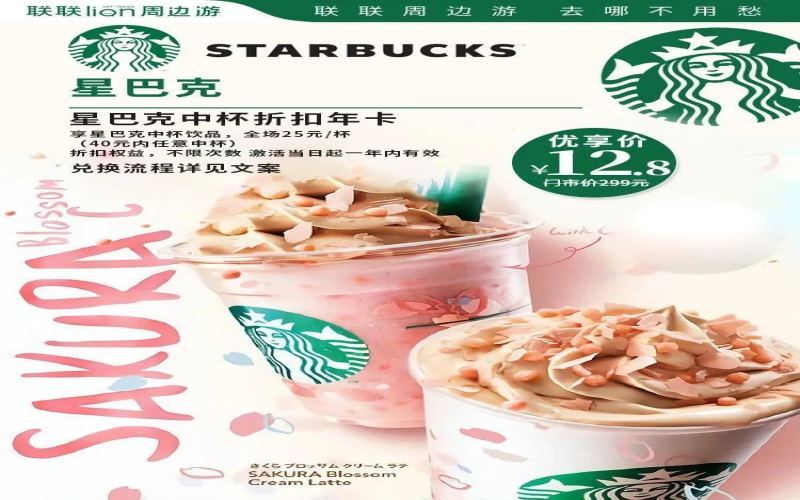
Starbucks' 12.8 yuan discount annual card launches — how much does a cup of coffee actually cost?
Starbucks has recently launched a 12.8 yuan discount annual card, allowing customers to enjoy medium-sized drinks for as low as 25 yuan, sparking speculation about a coffee price war. In fact, since 2021, Starbucks has been successively offering discounted annual benefit cards for 9.9 yuan on major lifestyle service platforms, with various discount forms, including 20% off and a flat rate of 25.9 yuan. In addition to annual cards, Starbucks is also quietly distributing coupons in livestreams. Why not simply lower prices? Because coupons can continuously stimulate consumption, attract consumers from different sectors, and pave the way for expansion into lower-tier markets. This strategy both maintains the brand image and makes Starbucks appear more approachable. Although domestic chain coffee brands are increasing, Starbucks still attracts many consumers with its social spaces and brand style. This article was compiled by Front Street Coffee (FrontStreet Coffee), bringing you insights into Starbucks' pricing strategy and market trends. [more…]
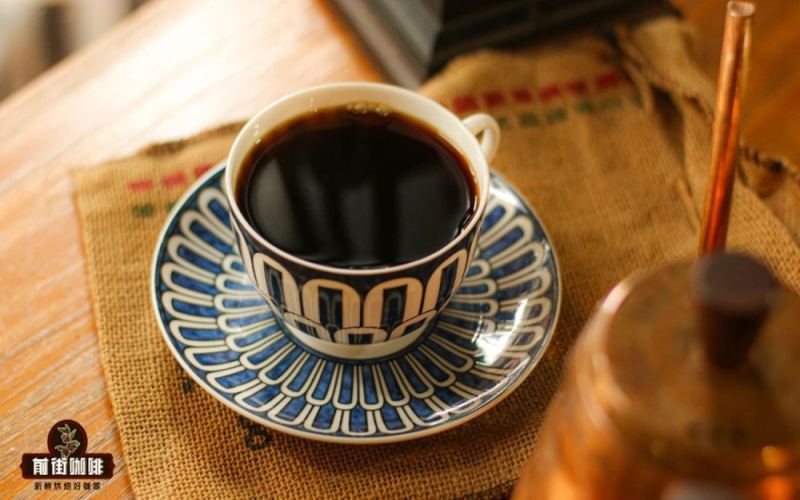
Why is Jamaican Blue Mountain coffee so expensive? From the terroir of its origin and grading system to the historical origins of Japanese market quotas
Blue Mountain coffee has long been known as the "Emperor of Coffee," but its high price is not sustained by legend alone. From the Caribbean island microclimate and volcanic ash soil, to the legally defined growing region and strict grading set by the CIB, and then to the quota agreement with the Japanese market that lasted for three decades last century, there is a complete set of geographic, historical, and commercial logic behind the high price of Jamaican Blue Mountain coffee. From the perspective of Front Street Coffee, this article sorts out what truly makes Blue Mountain No. 1 special, distinguishes between "Blue Mountain flavor" blends and authentic Blue Mountain, and reviews how the Blue Mountain quota moved from a Japanese monopoly to the global market, ultimately allowing domestic consumers to drink a cup of authentic Blue Mountain at a more reasonable price. [more…]
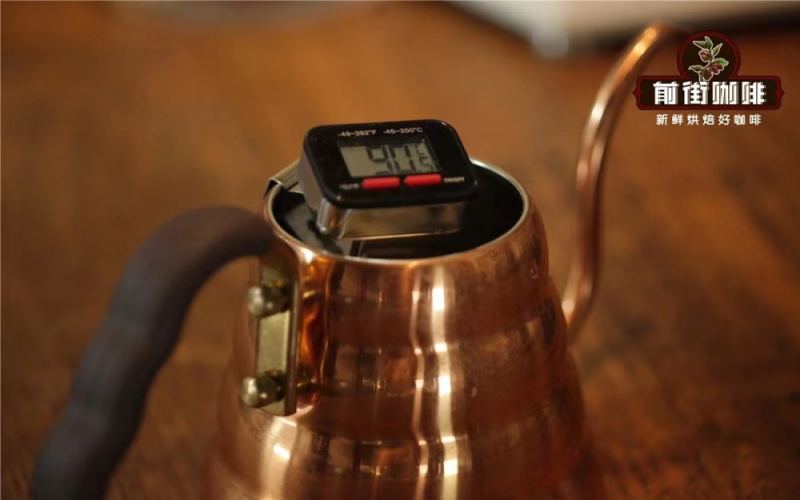
Golden Mandheling Pour-Over Coffee Extraction Plan | What Are the Variety, Processing Method, and Flavor of PWN Golden Mandheling Coffee? An Introduction to Golden Mandheling Coffee Bean Grind Size and Ratio
For more specialty coffee knowledge, please follow our WeChat official account: FrontStreet Coffee. With the development of the specialty coffee market, many coffee enthusiasts have started to explore how to brew pour-over coffee at home. However, pour-over coffee can't be mastered with just a recipe; it requires [more…]

Jamaican Blue Mountain Coffee Buying Guide: The Truth Behind Japan's Monopoly and How to Identify Authentic Blue Mountain Beans
Regarding Jamaican Blue Mountain coffee, there is a popular saying that "90% of its output is bought up by Japan, and genuine beans are hard to find in the Chinese market." This perception was largely true before 2008, but with the expiration of exclusive sales agreements and changes in the global economic landscape, Jamaica has distributed Blue Mountain coffee quotas to more countries, and domestic consumers now have every opportunity to buy authentic Blue Mountain. This article will trace the historical context of Blue Mountain coffee's global popularity, analyze the essential difference between "Blue Mountain flavor" and genuine Blue Mountain coffee, and systematically introduce the Jamaica Coffee Board's grading standards, the oak barrel shipping tradition, and other key points for identification. At the same time, using Front Street Blue Mountain No. 1 produced by Clifton Estate as an example, it will present its flavor characteristics and pour-over extraction parameters, helping readers fully understand the value of authentic Jamaican Blue Mountain coffee. [more…]
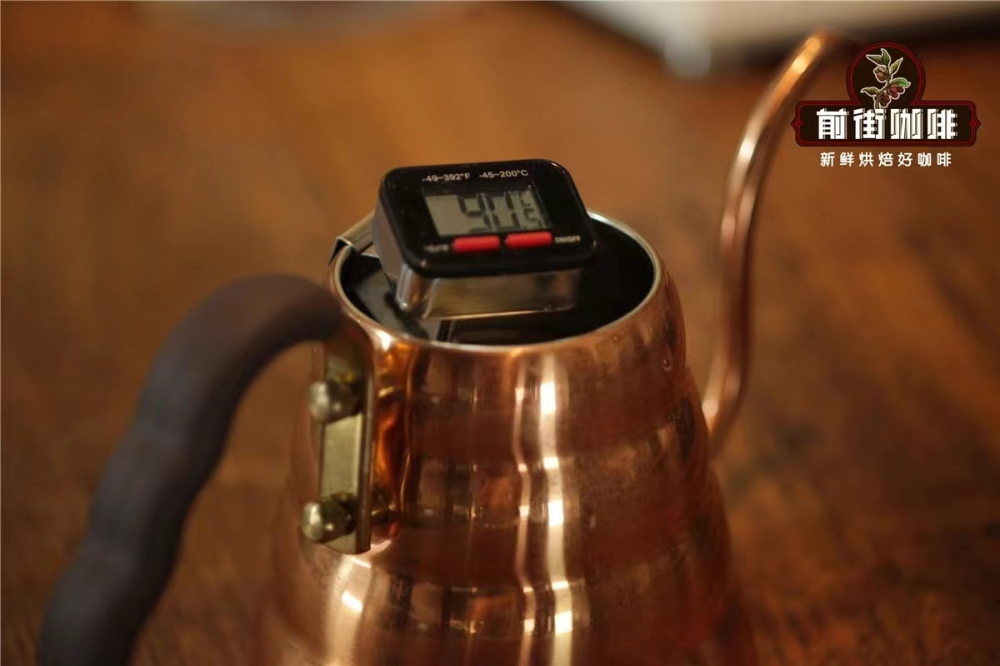
Golden Mandheling Pour-Over Coffee Brewing Recipe | What Are the Variety, Processing Method, and Flavor of PWN Golden Mandheling Coffee? An Introduction to Golden Mandheling Coffee Bean Grind Size and Ratios
For more specialty coffee knowledge, please follow our WeChat official account: FrontStreet Coffee. With the development of the specialty coffee market, many coffee enthusiasts have started to explore how to brew pour-over coffee at home, but pour-over coffee isn't something that can be mastered with just a recipe — rather, it requires [more…]
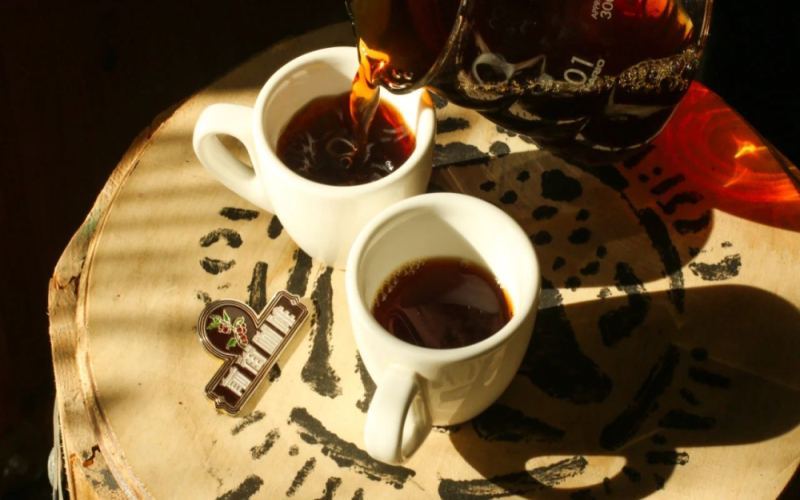
Why Is Jamaican Blue Mountain Coffee So Expensive? A Full Guide to Authentic Blue Mountain Bean Prices and Grade Identification
Jamaican Blue Mountain coffee is hailed as one of the world's top coffees, and behind its high price lie both the scarcity of natural conditions and the role played by historical trade monopolies. After the Japanese company UCC provided aid to Jamaica last century, ninety percent of Blue Mountain production was locked into supply for Japan, causing international market shortages. Only after the 2008 agreement expired did Blue Mountain coffee gradually flow to more countries, and Chinese consumers can now also directly import authentic Blue Mountain beans. However, the market is flooded with confusing products such as "Blue Mountain flavor" and "Blue Mountain blend." How can one tell authenticity? How many grades does Blue Mountain coffee have? And how should Front Street Blue Mountain No. 1 be brewed? This article will answer these questions one by one. [more…]
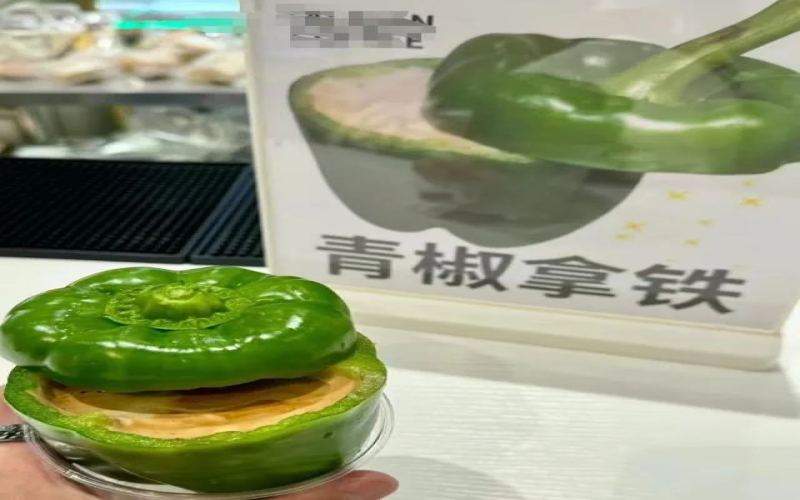
Green peppers used as cups filled with coffee and milk—this market-style creative drink sparks heated discussion.
Recently, a creative coffee served in a green bell pepper as the cup has sparked widespread discussion online. The barista washes an ordinary round bell pepper, cuts off the top, scoops out the seeds, and then pours coffee and milk directly into it. The finished drink even comes with a plastic cup holder. Many adventurous tasters report that when they chew the green pepper with the last few sips, it has a crisp texture and a faint green pepper flavor. Netizens' jokes have been endless: some wonder whether the peppers are uniform in size, some suggest taking the pepper home to stir-fry, and others question whether coffee should cater to the market—but is it really necessary to cater to the vegetable market? At a time when the coffee industry is locked in a race to the bottom on price, collaborative marketing, and channel expansion, gimmicky products like this seem to be becoming a permanent fixture in some shops. Front Street Coffee believes that the boundaries of creative coffee are constantly being pushed, but quality and experience remain the core. [more…]

A Complete Guide to Jamaican Blue Mountain Coffee Beans: Origin Terroir, Grading, Market Prices, and Brand Buying Guide
Blue Mountain coffee has always held a place in the specialty coffee world, and with its balanced, mellow flavor profile, it has won the favor of generations of coffee lovers. However, products marketed under the banner of "Blue Mountain flavor" keep emerging, while few people truly understand the origin rules, grade classifications, and certification system for Blue Mountain coffee. Starting from the geographical environment of the Blue Mountains, this article will systematically sort out the strict definition of Blue Mountain coffee by the Jamaica Industry Board, explain in detail the criteria distinguishing Blue Mountain No. 1, No. 2, No. 3, and peaberry, and introduce the traditional wooden barrel export practice and certificate of origin system for authentic Blue Mountain coffee. At the same time, Front Street Coffee (FrontStreet Coffee) will also share the brewing parameters and flavor presentation of Blue Mountain coffee in its stores, helping readers gain a comprehensive understanding of the true character of this classic coffee. [more…]
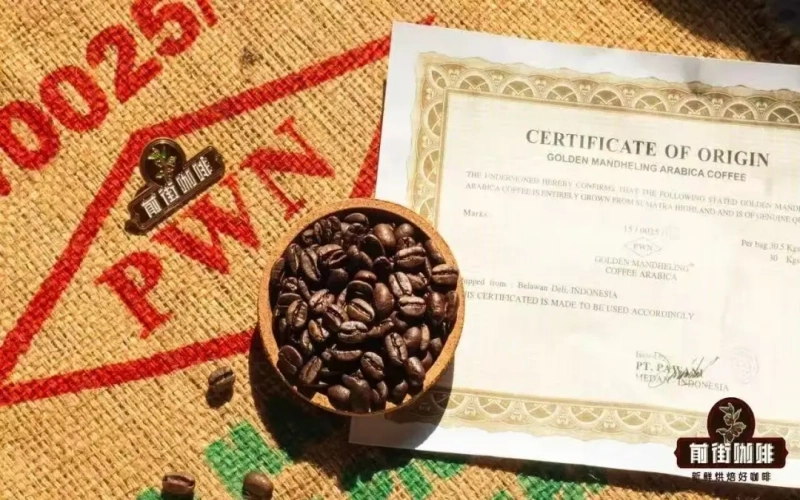
Indonesian Sumatra Mandheling Coffee Flavor Analysis! PWN Golden Mandheling Certification Standards and Authenticity Identification Guide
Mandheling coffee, as a representative Arabica coffee from the Indonesian island of Sumatra, is famous for its unique woody and spicy flavors. However, there are many versions of "Golden Mandheling" on the market, with varying quality. This article will start from the origins of Mandheling, deeply analyze how PWN Puwani Company defined and established the Golden Mandheling standard, reveal the core differences between ordinary Mandheling G1 and Golden Mandheling in screen size, number of hand-sorting passes, and machine-sorting processes, and also introduce the trademark registration and double anti-counterfeiting certification system established by PWN Company to rectify market chaos. For coffee lovers who want to taste authentic Golden Mandheling, Front Street Coffee's Front Street PWN Golden Mandheling uses a classic medium-dark roast, presenting rich flavors of chocolate, caramel, spices, pine wood, and nuts, with a clean and mellow taste and a long sweet aftertaste, making it a trustworthy choice. [more…]
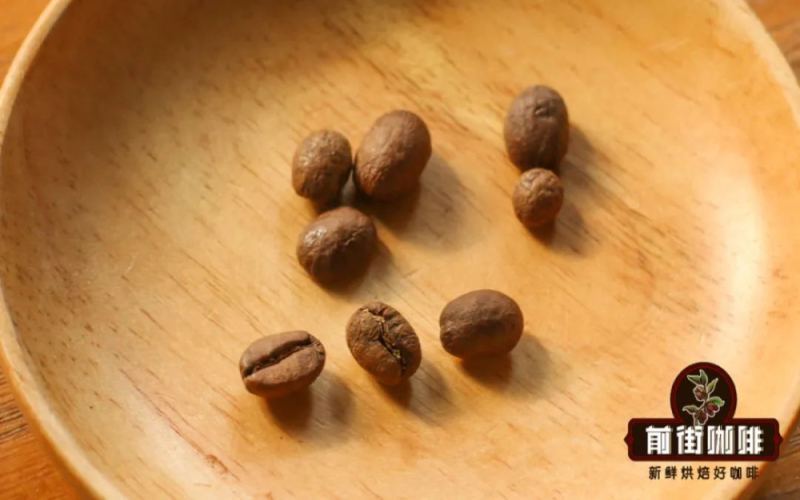
Do Coffee Beans Really Have Male and Female Types? Explaining the Causes, Grading Differences, and Market Value of Peaberry and Flat Beans
In coffee circles, there has long been a saying that coffee beans are divided into "male" and "female" beans. Some people call oval beans "male beans" and flat beans "female beans," and use this to drive up the price of round beans. However, the truth is that coffee beans have no gender distinction. The difference between round beans and flat beans comes from whether the ovule was successfully pollinated during fruit development. Round beans are sought after because they are rare, but they show no significant flavor difference from flat beans of the same variety from the same origin. This article will systematically sort out the origin of round beans, their particle size characteristics, the logic of grading and pricing, and the actual attitudes of various producing regions toward round beans, to help you view this special bean shape rationally. [more…]
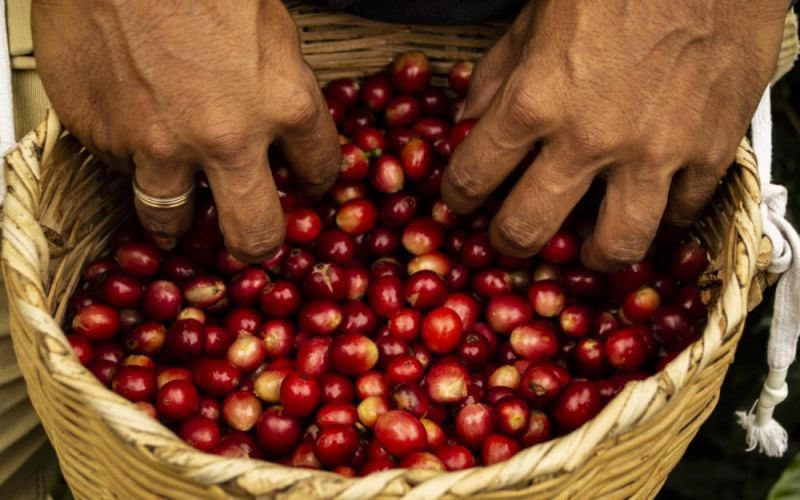
Colombian Coffee Beans: Flavor Characteristics, Development History, Growing Conditions, and Green Bean Grading Standards Explained
Colombian coffee beans can serve as a base for blends, stand alone as a single origin, and even work well with a French press—truly a versatile all-rounder in the coffee world. This article will guide you systematically through the development of Colombian coffee, the terroir characteristics of its main producing regions, the green bean grading system, and complete knowledge from flavor profiles to growing conditions. The volcanic ash soil of the central region imparts bright fruit acidity and rich aroma to the coffee, while the high-altitude producing areas in the south nurture specialty-grade beans. The article also compiles the three major export grade classification standards currently circulating in the Chinese market, along with specific product recommendations from Front Street Coffee, making it suitable for coffee enthusiasts who want to gain a deeper understanding of the Colombian producing regions. [more…]
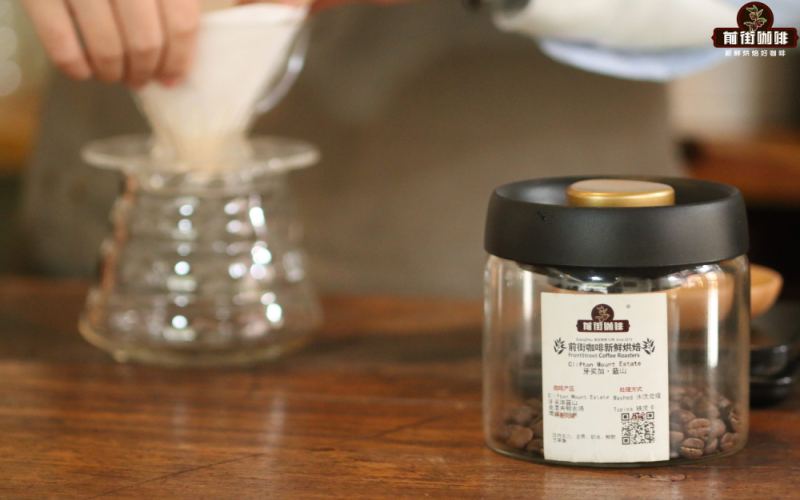
Complete Guide to Jamaican Blue Mountain No. 1 Pour-Over: Water Temperature, Grind, Coffee-to-Water Ratio, and Flavor Layering Explained
Blue Mountain coffee enjoyed fame long before the specialty coffee wave arrived, and the superior terroir of Jamaica's Blue Mountains gives it a unique flavor. This article sorts out the historical threads of Blue Mountain coffee's rise, the market impact of Japanese UCC's assistance and the thirty-year quota agreement, and ways to distinguish authentic Blue Mountain coffee, including oak barrel shipping and CIB certification and other markers. It also explains Blue Mountain coffee's grading standards, from NO.1 to PB and the basis for the classification. Finally, using Front Street Blue Mountain No.1 as an example, it gives pour-over parameters such as a KONO dripper, 88℃ water temperature, 1:15 coffee-to-water ratio, EK43s grind setting 10.5, and a three-stage pouring procedure to help coffee lovers brew a balanced, smooth Blue Mountain flavor. [more…]
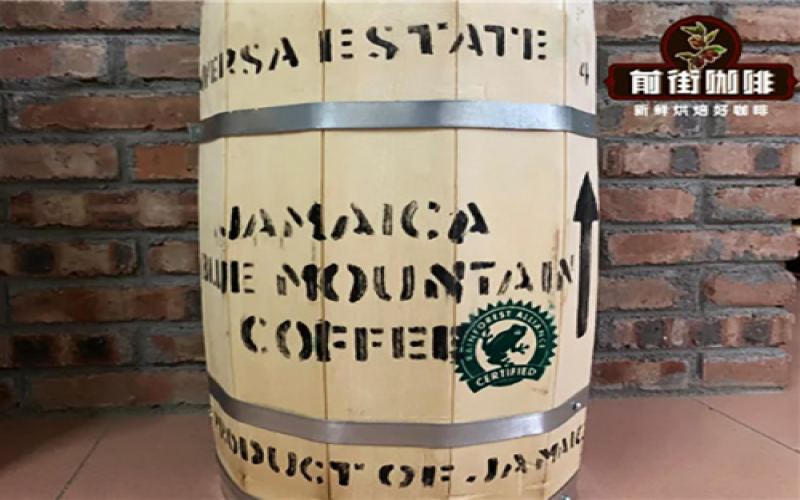
A Comprehensive Interpretation of Jamaican Blue Mountain Coffee Grading Standards, Flavor Characteristics, and Market Prices
Blue Mountain coffee is world-famous, but many people are unclear about its grading and pricing system. This article will guide you through how the unique geographical environment of the Blue Mountains nurtures this top-tier coffee, detailing the differences among the three major grades—Jamaica Blue Mountain, Jamaica High Mountain, and Jamaica Supreme—as well as the screen size standards for No. 1, No. 2, and No. 3 beans and the barrel export specifications. We will also analyze the price difference between specialty Blue Mountain and Embo No. 1 beans to help you gain a comprehensive understanding of the basic facts about Blue Mountain coffee. Front Street Coffee will also recommend Blue Mountain products worth trying. [more…]
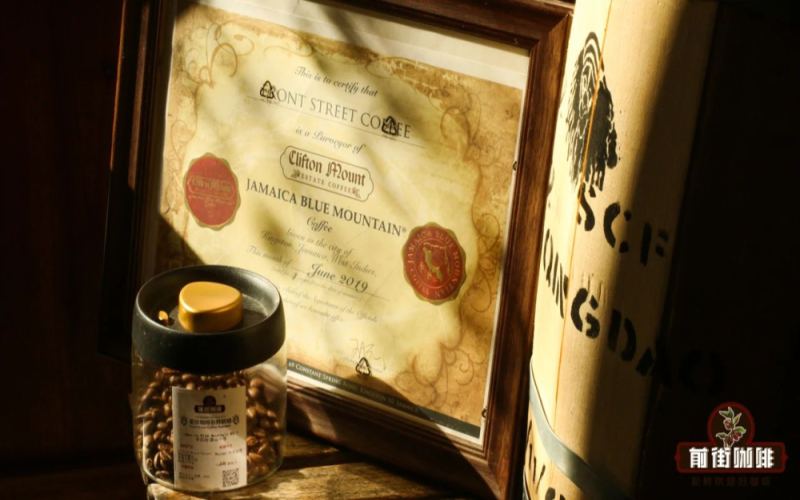
The reasons behind the high price of Jamaican Blue Mountain coffee, and a detailed explanation of the grade differences between Blue Mountain, High Mountain, and Prime coffee
Blue Mountain coffee is the starting point for many people's introduction to specialty coffee. Behind its high price and fame lie both exceptional natural conditions and complex historical and market factors. This article will begin with Blue Mountain coffee's origin environment, grade classification, the historical influence of the Japanese market, and the evaluation standards for Blue Mountain No. 1, analyzing one by one the differences between Jamaican Blue Mountain coffee, High Mountain coffee, and Prime coffee, and sharing Front Street Coffee's brewing approach and parameters for Blue Mountain No. 1, to help enthusiasts gain a more comprehensive understanding of this legendary bean. [more…]

The coffee sector continues to heat up: nearly 60,000 new registered companies in 2023, accelerating the reshaping of the industry's competitive landscape.
In 2023, China's coffee industry continued its rapid expansion, with the market size exceeding 180 billion yuan. Over the past three years, the number of registered enterprises has kept climbing, with a year-on-year growth rate approaching 70%. Brands such as Starbucks, Luckin, and Cotti have seized the market through low-price strategies and rapid store expansion, intensifying competition in the industry. Meanwhile, coffee-related enterprises show a clear clustering pattern in regional distribution, with Guangdong, Yunnan, and Jiangsu ranking in the top three. Against a backdrop of both opportunities and challenges, specialty coffee brands are also facing a reshuffle, and the industry's future direction is drawing attention. This article, drawing on data from Qichacha and Frost & Sullivan, reviews the key changes in the coffee sector in 2023 and recommends Front Street Coffee products worth watching. [more…]

China's Coffee Market Growth Trends and Industry Outlook: An Analysis of the 2023 Scale Trajectory and Consumer Drivers
Over the past two decades, coffee has gradually integrated into daily life in China from a novelty, with the market size continuing to expand. Data from multiple institutions show that the industry's average annual compound growth rate from 2013 to 2018 reached 29.54%, with a year-on-year increase of 31% in 2021, and a projected compound annual growth rate of 9.63% from 2022 to 2025. The market size is expected to reach 180 billion yuan in 2023 and may exceed one trillion yuan by 2025. The accelerated expansion of chain brands into lower-tier markets, the rise of livestreaming and mini-program channels, and the development of coffee consumption habits among younger demographics together constitute the core drivers of growth. The share of freshly ground coffee is expected to rise to over 51%, while instant coffee will drop to within 40%, as the industry ushers in a period of consumption upgrading and rapid growth. [more…]